BRUSSELS: Ensuring that all people have access to sufficient, affordable, safe and nutritious food is a key challenge for Europe as well as the world.
The European community has long been a huge producer of agricultural products. The sector employs 17 million people and its exports account for 7 % of total export value among the 28 members.
The “blue economy” – consisting of fisheries, aquaculture, coastal tourism, shipping and new forms of renewable energies represents far less employment – with only 5.4 million jobs. However, it has a gross added value of nearly €500 billion a year.
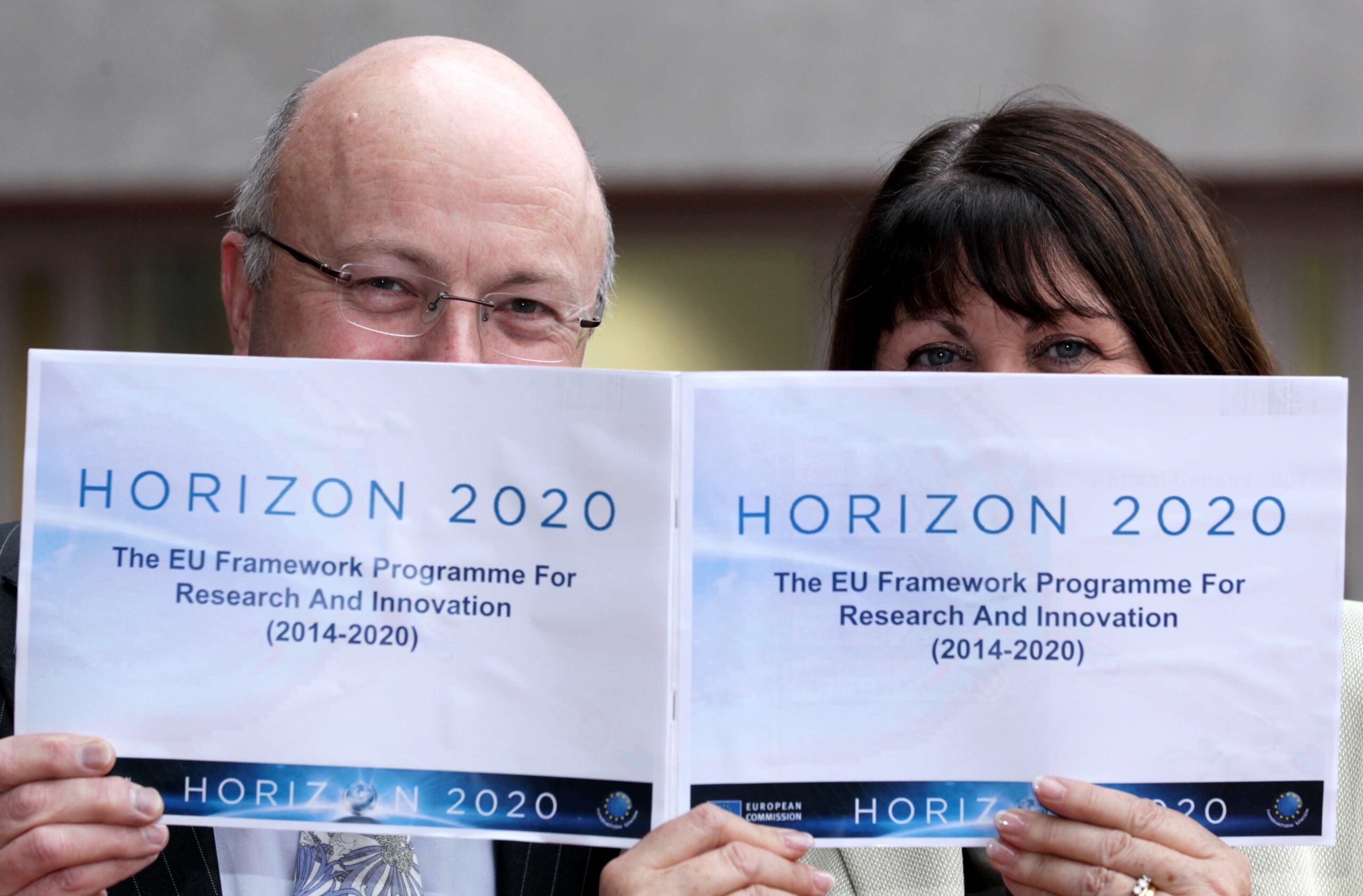
Blue Growth is the EU-strategy to support sustainable growth in the marine and maritime sectors as a whole. It recognises that seas and oceans can be stronger drivers for the European economy with great potential for innovation and growth. The potential was highlighted at the launch of Horizons 2020 in Berlin this February.
_ Horizon 2020 is set to close the gap between science and innovation. It will be an important contribution to more competetivness and more jobs and wealth in Europe. It will make Europa a more attractive for science and business, promised Máire Geoghegan-Quinn, the European Commissioner for Research, Innovation and Science at the launch of Horizon 2020 in Berlin in February.
Money for blue growth
The new research and innovation program focuses on bringing more value and more jobs through science and research. Cooperation between universities and business and a focus on practical applications by small and medium sized companies will be encouraged – as well as cross border projects.
The new blue food sector food can profit from two types of funds. One for sustainable food security (with a 2014 budget of €138 million) and one for unlocking the potential of seas and oceans (2014 budget: €100 million). The aim is to make the blue economy in the EU add two million jobs and reach 7 million people employed in maritime sectors by 2020. This can´t be done with fisheries and aquaculture alone.
However, the different busineses might profit from each other. Production of seafood outside the coastline can profit from cohabitations with other industries. Logistical problems along the coast might be similar to fisheries, aquaculture and coastal tourism.
Might these different industries work together and find some common interests? The history of producing wind energy far from the coastline is new – however one positive aspect might be that the windparks act as “reefs” – creating more nutrious water areas for some species like lobsters and smaller fishes.
Another common case for cooperation could be logistics – both industries using the same means of transport (ships and helicopters) to common service platforms serving energy projects (wind-, wave and tidal energy) as well as fish farms.
Discarding stopped
As a sign of the new initiative for more marine sustainabality the Commision as of 1 th January introduced new legislation to ban the wasteful practice of discarding edible fish. The new policy also includes, for the first time, a legally binding commitment to stop discarding fishing at sustainable levels.
Annual quotas will be governed by scientific advice, to achieve healthy fish stocks and a prosperous fishing industry. The promotion of sustainable aquaculture also forms part of the new policy.
This is Horizon 2020
• Horizon 2020 is the biggest EU Research and Innovation program ever with nearly €80 billion of funding available over 7 years (2014 to 2020) – in addition to the private investment that this money will attract. It promises more breakthroughs, discoveries and world-firsts by taking great ideas from the lab to the market.
• Seen as a means to drive economic growth and create jobs, Horizon 2020 has the political backing of Europe’s leaders and the Members of the European Parliament. They agreed that research is an investment in our future and so put it at the heart of the EU’s blueprint for smart, sustainable and inclusive growth and jobs.
• Horizon 2020 is open to everyone, with a simple structure that reduces red tape and time so participants can focus on what is really important. This approach makes sure new projects get off the ground quickly – and achieve results faster.