

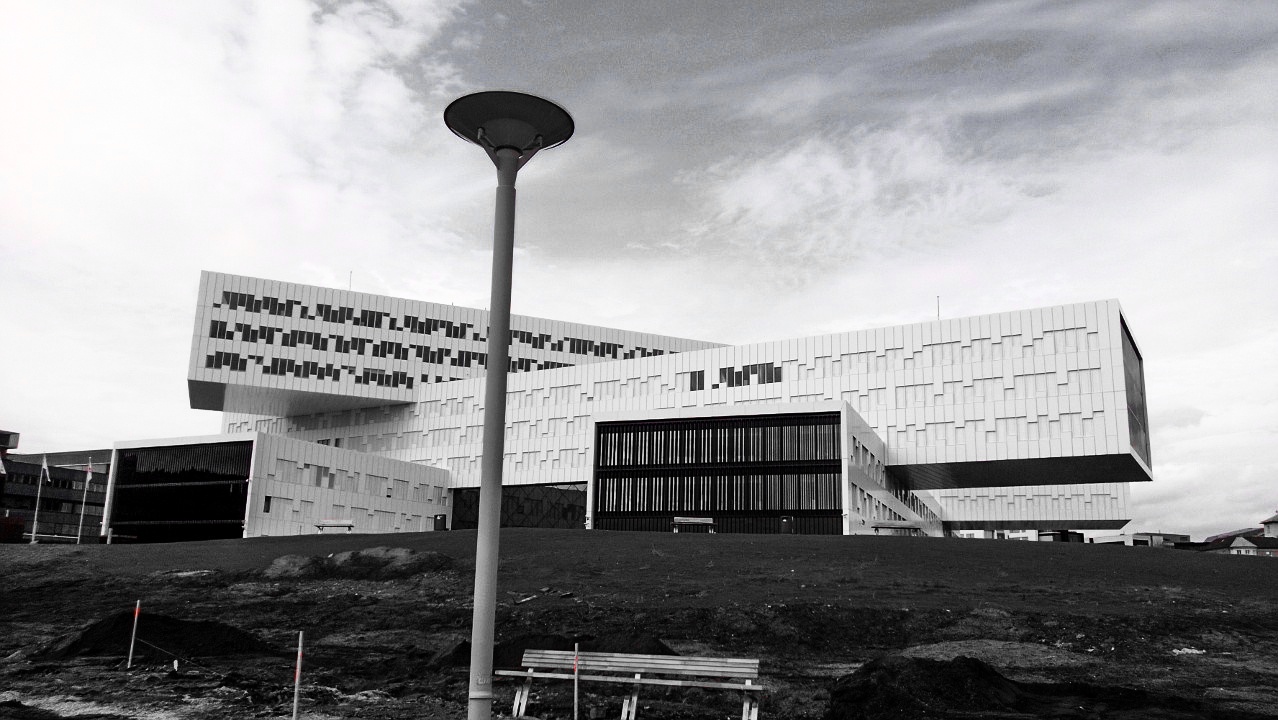
Oslo grows more than most cities in Europe. In the Oslo region key people meets to discuss how business & entrepreneurship can benefit from the growth.
Growth benefits: Oslo’s challenge is not the growth itself, but how companies can achive smart benefits from the strong growth in the region.
A speedy growth in the number of new companies. A trendy youthful flourishing of ideas and entrepreneurship. New clusters and initiatives. The fastest growing region in Europe. Oslo and the surrounding region of South-Eastern Norway embarks on an exciting 2014 and beyond.
Among the new entities driving the city´s ambition of becoming a paradise for talents is Oslo Business Region AS, formed by the City of Oslo from January 1st.
The entusiasm for all things Oslo is materialized in a hefty conference schedule for the winter, spring and autumn seasons. The aim is to become a world league player and a preferred location for international meetings and conferences.
In the autumn one of the biggest events in the field of entrepreneurship and innovation – the Oslo Innovation Week– has become a must for thousands of entrepreneurs, venture capitalist and creative folks.
Øyvind Såtvedt, manager of the Oslo Region Alliance, is pleased to see that more people recognize Oslo’s business qualities.
– Surveys tell us that we have not been good enough to tell the rest of the world why the Oslo region is a good place for talents searching for jobs, for investment oppournities, as a location for Nordic or European Headquarters – or as a place to visit and a location for conferences, Såtvedt says.
It’s all about beeing BEST
He is a co-organizer of the BEST-conference in February 2014, together with Knowledge Oslo and the regional branch of Confederation of Norwegian Enterprise. The conference is tagged “the most important development conference for the Oslo Region” where keynotes and debates goes along the line of Oslo growth. And the main question is not “how to make the Oslo Region grow more”, but it’s rather “what opportunities is Oslo´s growth bringing to business in the region”.
The maritime sector has for decades been one of the biggest business contributor in the region. But now there are several challengers to become the most prosperous sectore or niche in the region.
Gloom for Subsea cluster?
Subsea Valley is the fastest growing cluster, with more than 200 companies representing 70 percent of the world´s subsea oil and gas market.
– Our aim is an increased to 250 member companies by 2015, says Preben Strøm, CEO, Subsea Valley.
He builds the cluster from the new headquarter, soberly and practically placed right at the railway station in Asker – just seconds from the Airport Train.
– When we became an Arena cluster last year, we decided to move our office here. It is the center of the Subsea Valley, streatching from Fornebu to Notodden.
The big challenge for the subsea oil sector is not different from the challenges in other Oslo sectors: The search for new talents.
Preben Strøm’s vision is to build a Subsea University located in the Oslo region.
– The Subsea Valley University has been on the agenda on meetings in the cluster, confirms Mr. Strøm and continues:
– Our member companies deliver world-class subsea technology, so why shouldn’t we as well have a world class subsea university, to increase the compentense even more.
Statoil with its Oslo headquarters at Fornebu, announce at cost saving programme, sending shiwers throughout Subsea Valley. “Through a comprehensive improvement programme, Statoil expects to realise annual savings of USD 1.3 billion per year from 2016.” This reflects the power of the state controlled giant in the Oslo Region as well. Gloom og boom? That’s the Statoil question.
According to Preben Strøm such messages are part of reality for the Subsea Valley companies, and it means that one has to adjust and think even smarter. The Statoil cost saving affects many of the companies in the cluster, project postponements and stop in new recruitment.
At the top level international Oslo Energy Forum at Holmenkollen Park Hotel in February, excutives reveals how to “Leading the Oil and Gas Industry in a Challenging World”. Statoil’s Helge Lund, Exxon Mobil’s Rex W. Tillerson, Saudi Aramco’s Khalid A. Al-Falih, ConocoPhillips’ Ryan M. Lance and Schlumberger’s Paal Kibsgaard – forms one of the most powerful and influential panel on any seminar in the energy world, in Oslo.
Bioeconomy
The new bussword is bioeconomy, predicted to be next big thing after the oil economy. In march 2014 the project BioVerdi will launch it’s report, initated more than two years ago with +50 partners from academia, research institution, as well as the four major sectors health, industry, agriculture and marin/aquaculture.
University of Oslo’s rector Ole Petter Ottersen together with project manager, professor Øystein Lie, dean at The Norwegian University of Life Sciences and Marius Øgaard, director networks and knowledge, Oslotech, will present the report at a conference soon to be announced. Prime Minister Erna Solberg got a briefing on the project in january 2014 in a dialogue on new ideas how to make Norway a powerful player in the bioeconomy.
The BioVerdi project outlines several measures for innovation in the bio related industries, to develop a stronger “ecosystem” on a cross field and trans boundary platform. In the next few years bioeconomy will be a major source of value creation and growth in the Oslo region and Norway.
Music attraction
The new company Oslo Business Region AS works to combine international profiling, place branding and information, entrepreneur services, talent and investment recruiting, and regional business development.
The new unit managed by Fredrik Winther, owned by the City of Oslo, will merge Oslo Teknopol and the City of Oslo`s Agency for Business Development Services.
On the board we find among others the Oslo based entrepreneurs Haavard Nord and Silvija Seres. Both have merits of success as innovators and entrepreurs, Nord by selling his company Trolltech to Nokia and Seres by selling her company Fast Search & Transfer to Microsoft.
A third board member is Runar Eggesvik, a key person in the cultural cluster of Oslo. He is of course involved in one Europes most important annual business conferences for the music and artist industry, by:Larm.
By:Larm has developed from a meeting place for the music business in Norway, held in different towns each year, into the main music business event in the Nordic countries. It is held each winter in Oslo and is also developing a strong technology side, called by:Larm Interactive aiming at gathering the brightest minds and most innovative companies in the fields of programming, gaming, digital design, mobile communication and entrepreneurship and branding itself at by:Larm´s own web pages as “the Nordic equivalent of the likes of SXSW”, hinting to the string of film, interactive, and music festivals held yearly in Austin Texas.
In addition to all the amount of bands that will be playing and a number of music related talks and seminars, by:Larm´s managing director Erlend Mogård-Larsen looks especially forward to the interactive programme, even if it is not directly music related.
– Creativity is a common denominator of the music and the technology businesses. I think that the content side of the music business can offer input and contribution to the technologists, says Mogård-Larsen.
Sustainable fashion
The fashion industry is growing steadily in the affluent Norwegian capital, where private spending on clothes and accessories are high. The Norwegian Fashion Hub, a new network arena for the fashion and textile industry in Norway, stages the conference Needlework & Tecdnology in Oslo. The “hub” is initated by Norwegian Fashion Institue with support from The City of Oslo and Innovation Norway.
Searching for stories
The conferencing scene of Oslo is also a Mekka for international media professionals searching for new stories. Partner Christina Dupré Roos in the Oslo-based international communications agency Blue-C, tells about surprised foreign journalists visiting Norway.
– Many are surprised to see the big volume of industrial production here, says Dupré Roos. She organizes foreign business and trade journalist trips, especially to oil and maritime sector companies. The communicator believes there are a lot to show also from the Oslo region.
– I think many smaller companies are modest in terms of exposing themselves, although they have fascinating technologies and products. Foreign journalists are often amazed of findings they do when visiting Norwegian companies, says Christian Dupré Roos.
Top of Europe
VisitOslo, owned by the travel & trade industry, is crystal clear on how conferencing should develop: – We shall be at the top of Europe within the specter of international congress & conference market, according to CEO Bente Bratland Holm, .
One of the core players in the Oslo business environment, the former ski jumper Per Bergerud, is from January 1st 2014 the CEO for the Skiathlon World Championship 2016 in Oslo. Bergerud, serving many years as CEO at Proffice and as chairman of NHO Oslo Akershus. Leaving these posts to embark on a full-time ski business career, Bergerud says:
– To manage a World Championship is something one rarely get the chance to do, so one must take the opportunity when it’s there, Bergerud says.
A successful World Championship could pave the way for another huge skibusiness management job, if, repeat, if Oslo will stage the biggest winter sports event of them all: Winter Olympics 2022.
That’s yet to be confirmed.
post@oslobusinessmemo.no