

The big players in the offshore oil & gas sector rush to become more innovative through mergers and aquistions. Again, this is a window of opportunity for entrepreneurs with substantial, innovative ideas.
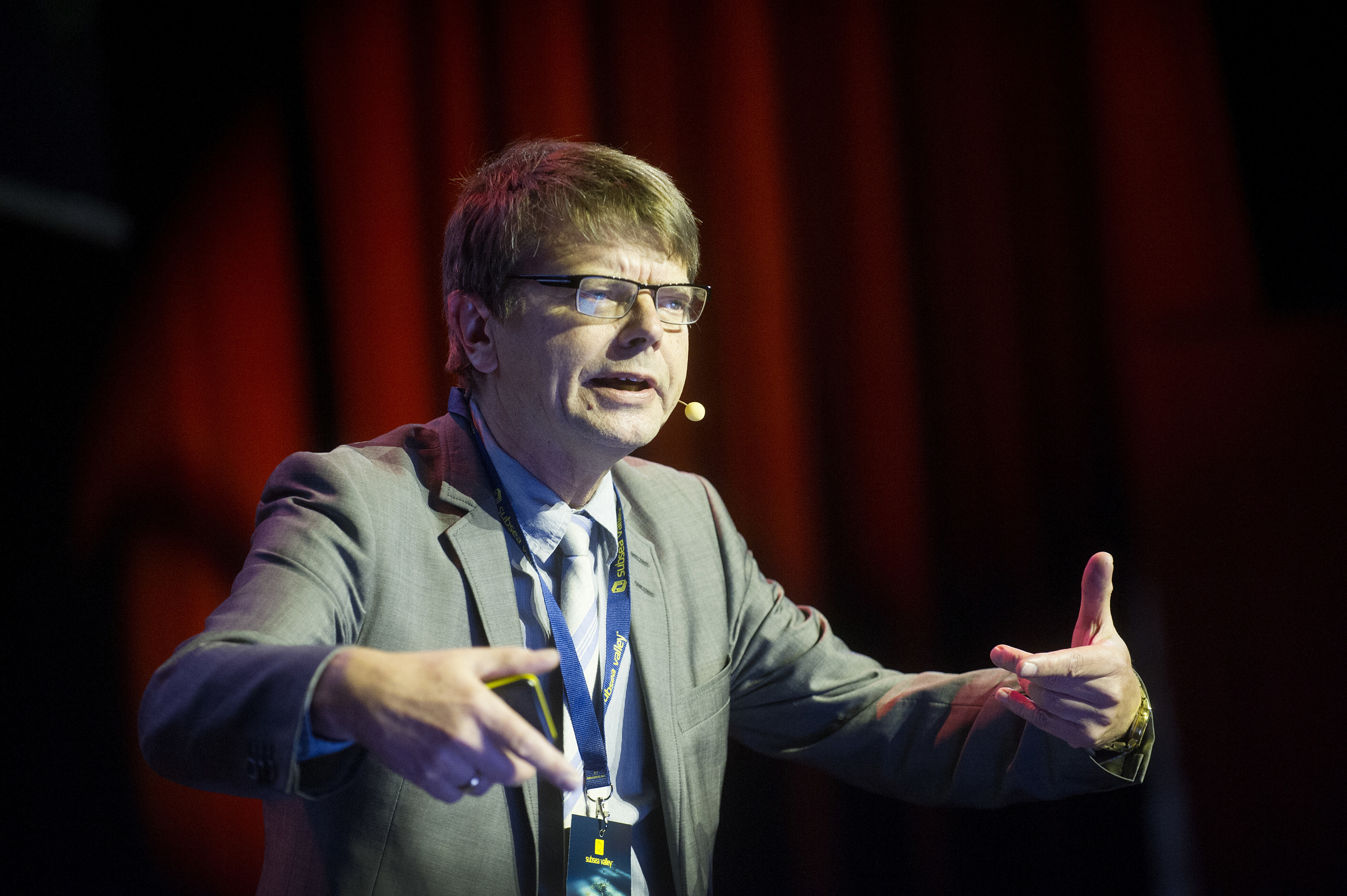
– My advice is: Start a company and sell it to Schlumberger, said professor Torger Reve , Norwegian Business School BI, when he performed his keynote speech at the Subsea Valley Conference 2014.Professor Reve, from the conference scene, referred to his dialogue with Schlumberger’s Executive VP Techlogogy, Ashok Belani. Schlumberger purchases in average one company per year in Norway. Two of Reve’s professor collegues sold their software company to Schlumberger just befor Christmas in 2012.Reports in Norwegian media half a year later, in 2013, revealed that Charles Stabell (70) and Richard Sinding-Larsen (72) , both professors at NTNU, sold their oil & gas ict-company Geoknowledge to Schlumberger for around USD 20 million. There are numerous similar success exits for startup entepreneurs in the offshore oil & gas sector through the years. There will be more of the same in the near future: Other giants, like GE Oil&Gas, confirmed at the Subsea Valley Conference that M&A-activity will increase to meet the need for cost saving innovations.
"Rich uncle in America"
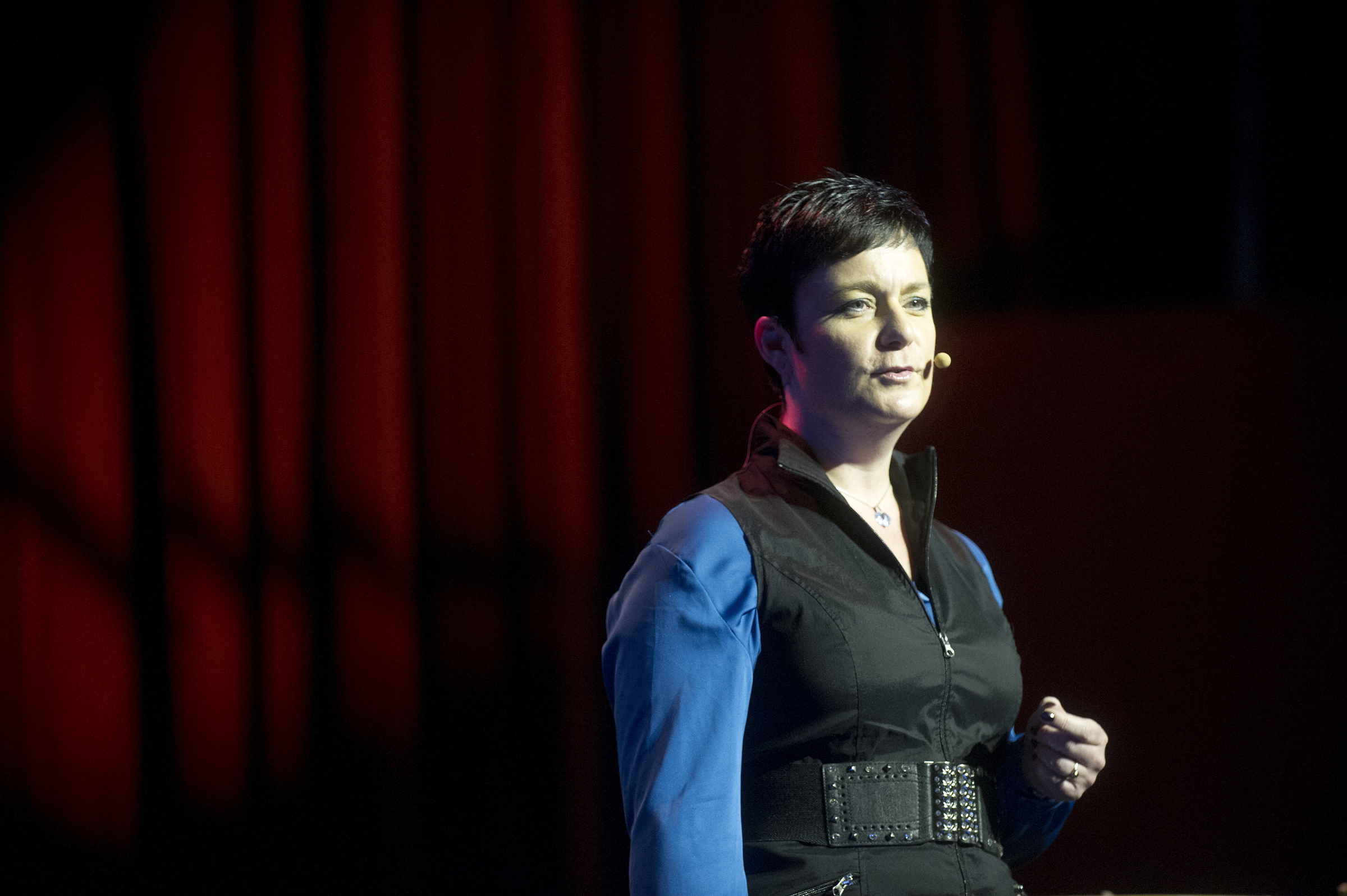
For Norwegian oil & gas sector startup entrepreneurs, companies like GE and Schlumberger, are the “rich uncles In America”. The native Norwegian giant Statoil runs its “Innovation to innovation” web portal extending an invitation even to the general public to contribute good, creative solutions to specific problems.Eva Kristensen, managing director, GE Oil & Gas Nordic, in her keynote speech urged innovators to come forward with new ideas.- We want more entrepreneurs who startup companies that we can buy, Kristensen said. For GE Oil & Gas the subsea sector is the fastest growing part of the company. And the global giant is an innovation universe, investing USD 5,4 billions in R&D, employing more than 37 000 in R&D and 2 600 scientists on the payroll.Kristensen pointed at three trends in the Norwegian part of GE Oil & Gas: Local business driven by closeness to local customers and niche strengths, subsea is a global business driving global business models and thirdly: Innovation is a key driver.
Warning signal-A strong warning signal now is the falling productivity in the supplier industry, says professor Reve. At the same time the “Norwegian model”, with its flat and less bureaucratic organizations, will be competitive contrary to Asian and American systems, professor Reve believes. Norway is still an attractive location for the international offshore industry, he concludes.
Build knowlege commons
According to professor Torger Reve the the NCE projects, technological innovation and excellent enegineeers are what makes Norway so attractive. The clusters, like Subsea Valley, are ideal environments for startup projects that subsequently are attractive for the big global corporations to purchase.-The long term challenge is to build the offshore commons stronger, says Reve. He points at Lundin Petroleum’s Chief Geologist, Hans Christen Rønnevik. Mr. Rønnevik had a long career at Statoil and Saga.- Hans Christen Rønnevik is my hero, he is the best example of the Norwegian offshore knowledge commons, discovering the oil field Johan Sverdrup in 2012, said professer Reve. Referring to the Subsea Valley role model project, Reve said: Mr Rønnevik is the No 1 role model in the Norwegian oil & gas sector. Norwegian oil & gas industry long term future depends on the extent to wich the industry can create a strong offshore knowledge commons that can make the industry independent from the Norwegian Continental Shelf.
Note: Oslo Business Memo produces photos & articles in collaboration with Subsea Valley Conference 2014.